
Mastering the Art of Documentary Filming Strategies

When I first dipped my toes into the world of documentary filming, I quickly realized it’s not just about pointing a camera and pressing record. It’s an art form that demands patience, empathy, and a keen eye for storytelling. Have you ever wondered what it takes to create a documentary that truly resonates? Let me walk you through some of the essential strategies I’ve learned along the way.
Understanding the Core of Documentary Filming Strategies
Before you even pick up a camera, you need to understand the story you want to tell. Documentary filming strategies start with research and planning. This is where you dig deep into your subject, uncovering layers that might not be obvious at first glance. I always ask myself: What is the heart of this story?
For example, if you’re documenting a local business, don’t just focus on the products or services. Explore the people behind it, their challenges, and their triumphs. This approach adds depth and emotional weight to your film.
Here are some practical tips to get started:
Create a detailed outline of your story arc.
Identify key interviewees who can provide unique perspectives.
Scout locations to find visually compelling settings.
Prepare open-ended questions to encourage genuine responses.
Remember, the goal is to capture authenticity, not a scripted performance.

Essential Documentary Filming Strategies for Impactful Storytelling
Once you have your story foundation, it’s time to think about how you’ll bring it to life visually. Documentary filming strategies revolve around capturing real moments with intention. This means being ready to adapt and respond to what unfolds naturally.
One strategy I swear by is the “fly on the wall” technique. It’s about observing without interfering, letting the story reveal itself organically. This requires patience and trust in your subjects. Sometimes, the most powerful moments happen when you least expect them.
Lighting and sound are also crucial. Natural light can add authenticity, but don’t shy away from using additional lighting to highlight important scenes. Clear audio is non-negotiable—bad sound can ruin even the most beautiful footage.
Here’s a quick checklist for filming:
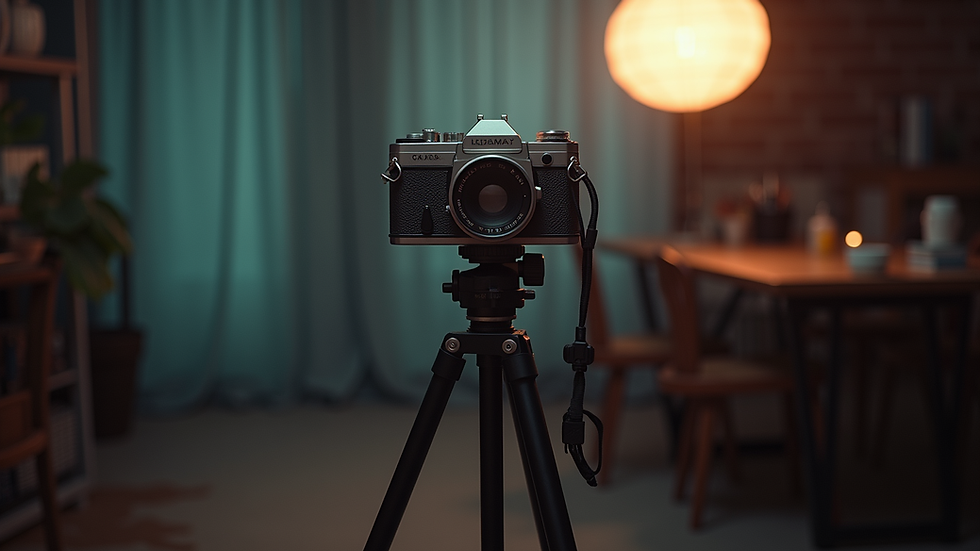
Use a stable tripod for steady shots.
Capture B-roll footage to enrich your narrative.
Record ambient sounds to enhance the atmosphere.
Keep your camera settings consistent to avoid jarring visual shifts.
By combining these elements, you create a seamless viewing experience that draws your audience in.

Who is the Most Famous Documentary Filmmaker?
If you’re curious about the giants in this field, one name often comes up: Ken Burns. His ability to weave historical narratives with compelling visuals and music has set a high bar for documentary filmmakers worldwide. His style, often called the “Ken Burns effect,” uses slow pans and zooms on still images to create a sense of motion and emotion.
Another influential figure is Werner Herzog, known for his philosophical and often poetic approach to storytelling. Herzog’s documentaries don’t just present facts; they explore the human condition in profound ways.
Studying their work can teach you a lot about pacing, tone, and how to connect with your audience on a deeper level. But remember, your voice is unique. Use these inspirations as a springboard, not a blueprint.
Crafting Your Narrative: The Heartbeat of Documentary Filming
Storytelling is the heartbeat of any documentary. Without a compelling narrative, even the most visually stunning footage can fall flat. I’ve found that the best documentaries have a clear structure but remain flexible enough to evolve during filming.
Start with a strong opening that hooks your viewers. This could be a striking image, a provocative question, or a powerful quote. Then, build your story through a series of scenes that reveal different facets of your subject.
Don’t be afraid to show conflict or complexity. Real life is messy, and your audience will appreciate honesty over a sanitized version of events. Use interviews, voiceovers, and visuals to create layers of meaning.
Here’s a simple narrative structure to consider:
Introduction: Set the scene and introduce the main subject.
Development: Explore challenges, conflicts, or key events.
Climax: Present the turning point or most intense moment.
Resolution: Offer closure or a call to action.
By thinking like a storyteller, you’ll keep your audience engaged from start to finish.
Elevating Your Work with Cutting-Edge Technology
In today’s fast-paced world, staying ahead means embracing new tools and techniques. At Torres Studios, we’re always exploring the latest technology to elevate our narratives. From drones that capture breathtaking aerial shots to 4K cameras that deliver stunning detail, technology can be a game-changer.
But here’s the catch: technology should serve your story, not overshadow it. I’ve seen filmmakers get so caught up in gadgets that they forget the human element. Use tech to enhance your vision, not replace it.
Some tech tips to consider:
Experiment with time-lapse and slow-motion to add visual interest.
Use gimbals or stabilizers for smooth, dynamic shots.
Incorporate color grading in post-production to set the mood.
Leverage cloud-based editing tools for efficient collaboration.
By blending creativity with innovation, you can produce documentaries that are both emotionally powerful and visually stunning.
Your Next Steps in Documentary Filming Mastery
So, where do you go from here? Mastering documentary filming strategies is a journey, not a destination. It requires continuous learning, experimentation, and a willingness to listen—to your subjects and your own instincts.
Start small. Pick a topic you’re passionate about and create a short documentary. Focus on telling a story that matters to you. Share it, get feedback, and refine your approach.
Remember, every great filmmaker started with a single frame. With dedication and the right strategies, you can craft stories that move people and stand the test of time.
If you want to dive deeper into the craft, check out resources and communities dedicated to documentary filmmaking. There’s a whole world of knowledge waiting for you.
Happy filming!


Comments