
Mastering Documentary Filmmaking Techniques
- Marlon Torres

- Sep 22, 2025
- 5 min read
When I first dipped my toes into the world of documentary filmmaking, I quickly realized it’s not just about pointing a camera and hitting record. There’s an art to telling stories that resonate deeply, that pull viewers in and don’t let go. It’s like weaving a tapestry where every thread matters. If you want to create films that move people, you need to master the storytelling techniques that bring your vision to life.
Let me walk you through some of the key lessons I’ve learned along the way. These aren’t just theory - they’re practical, actionable tips that you can start using right now to elevate your work.
Understanding Filmmaking Storytelling Techniques
Storytelling in film is more than just a sequence of events. It’s about crafting an emotional journey. I always ask myself: What do I want my audience to feel? Whether it’s empathy, curiosity, or inspiration, that feeling guides every choice I make.
Here are some storytelling techniques that have transformed my projects:
Start with a strong narrative arc: Even documentaries need a beginning, middle, and end. Introduce your subject, build tension or conflict, and then resolve it or leave the audience with something to ponder.
Use visuals to show, not tell: Instead of explaining everything with voiceover, let the images speak. A close-up of a weathered hand or a wide shot of a bustling street can say more than words.
Incorporate personal stories: People connect with people. Highlight individual experiences to make broader issues relatable.
Pace your story carefully: Don’t rush. Give your audience time to absorb and reflect. Sometimes a quiet moment is more powerful than a dramatic one.
I’ve found that blending these techniques creates a rhythm that keeps viewers engaged and emotionally invested.

Practical Filmmaking Storytelling Techniques You Can Use Today
Let’s get down to specifics. How do you actually apply these storytelling techniques when you’re behind the camera or in the editing room?
Plan your shots with intention
Before you start filming, storyboard or outline your key scenes. Think about how each shot contributes to the story. For example, a low-angle shot can make a subject appear powerful, while a high-angle shot might make them seem vulnerable.
Capture authentic moments
The magic of documentary filmmaking lies in authenticity. Be patient and ready to capture unscripted moments that reveal truth. Sometimes the best footage happens when you’re not actively directing.
Use sound design to enhance emotion
Don’t underestimate the power of sound. Ambient noises, music, and silence all shape the mood. I often layer subtle sounds to create atmosphere without distracting from the visuals.
Edit with a storyteller’s mindset
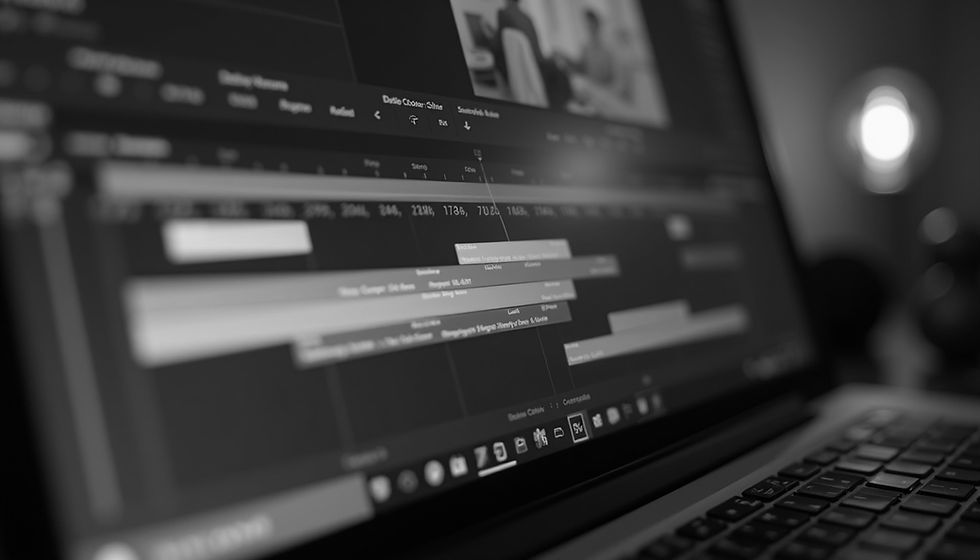
Editing is where your story really takes shape. Cut ruthlessly to keep the narrative tight. Arrange scenes to build suspense or highlight contrasts. Remember, every cut should serve the story.
Engage your audience visually and emotionally
Use color grading, lighting, and composition to evoke feelings. Warm tones can create intimacy, while cooler tones might suggest distance or tension.
By focusing on these practical steps, you’ll find your storytelling becomes clearer and more compelling.
How much do documentary filmmakers get paid?
This question pops up a lot, and honestly, the answer varies widely. Documentary filmmaking is a passion-driven field, but it can also be a viable career if you navigate it smartly.
Entry-level filmmakers might earn anywhere from $20,000 to $40,000 annually, often working on smaller projects or assisting on larger ones.
Experienced filmmakers with a solid portfolio can command $50,000 to $100,000 or more per project, especially if they work with established production companies or secure grants.
Top-tier filmmakers who produce award-winning documentaries or work with major networks can earn six figures or beyond.
Keep in mind, many filmmakers supplement their income with teaching, speaking engagements, or commercial video work. If you’re aiming to build a sustainable career, diversifying your skills and income streams is key.
Also, working with a full-service video production company like Torres Studios can open doors to higher-paying projects and valuable industry connections.

Why Emotion is Your Most Powerful Tool
If there’s one thing I’ve learned, it’s that facts alone don’t move people. Emotion does. When you tap into feelings, your story becomes unforgettable.
Think about the last documentary that really stuck with you. Chances are, it made you feel something - hope, anger, joy, or sadness. That emotional connection is what drives action and leaves a lasting impression.
Here’s how to harness emotion in your films:
Focus on human stories: Highlight personal struggles, triumphs, and moments of vulnerability.
Use music strategically: The right soundtrack can amplify emotions without overpowering the narrative.
Create contrast: Juxtapose moments of tension and relief to keep viewers emotionally engaged.
Be honest and respectful: Authenticity builds trust, which is essential for emotional impact.
Remember, your goal isn’t just to inform but to inspire change or understanding. Emotion is the bridge that connects your story to your audience’s heart.
Elevate Your Storytelling with Cutting-Edge Technology
Technology is evolving fast, and it’s a game-changer for filmmakers. When I started, we relied on bulky cameras and linear editing. Now, tools like drones, 4K cameras, and advanced editing software let us tell stories in ways that were once impossible.
Here’s how to use technology to boost your storytelling:
Drones for dynamic shots: Aerial footage adds scale and perspective that ground shots can’t match.
High-resolution cameras: Crisp images make your film look professional and immersive.
Stabilizers and gimbals: Smooth movement keeps viewers focused on the story, not shaky footage.
Editing software with AI features: Speed up your workflow and experiment with creative effects.
But here’s the catch - technology should serve the story, not overshadow it. I always remind myself: Don’t chase gadgets; chase the story.
Working with a company like Torres Studios means you get access to the latest gear and expertise, helping you push your storytelling to new heights.
Your Next Steps in Mastering Filmmaking Storytelling
So, where do you go from here? Mastering storytelling techniques is a journey, not a destination. Here are some practical steps to keep growing:
Watch and analyze documentaries: Pay attention to how stories unfold and what techniques grab your attention.
Practice regularly: Shoot short films or mini-documentaries to experiment with different approaches.
Seek feedback: Share your work with trusted peers or mentors who can offer constructive criticism.
Stay curious and open: The best stories come from genuine curiosity and empathy.
Collaborate with professionals: Partnering with experienced teams can elevate your projects and open new opportunities.
Remember, every filmmaker’s voice is unique. Your stories matter, and with the right techniques, you can make them unforgettable.
Mastering filmmaking storytelling techniques isn’t just about learning rules. It’s about discovering how to connect, inspire, and move your audience. And trust me, once you get the hang of it, there’s no feeling quite like seeing your story come alive on screen.


Comments